
Choose an Audi R8 in a racing game and the badge tells only part of the story. A road-going V10 model, an early R8 LMS and a later GT3 evolution may share a recognisable shape, but they ask different things of the person behind the wheel.
That variety makes the R8 an interesting car to explore on screen. Gran Turismo 7 includes the 2007 R8 4.2, the 2016 R8 Coupé V10 plus and several LMS racing versions. Assetto Corsa Competizione takes a more specialised approach, with different generations of the R8 LMS available within its GT racing environment.
For Audi enthusiasts, these games provide a way to compare cars that would be difficult to experience together elsewhere. The useful differences become apparent through braking, cornering and traction, rather than simply comparing horsepower figures in a menu.
The road car and the racer need different expectations
A road-going R8 must accommodate more than lap times. Its design has to consider everyday usability, passenger comfort and different road conditions alongside performance.The LMS versions have a narrower purpose. Racing regulations shape their construction, equipment and permitted modifications, while their aerodynamic surfaces help them work at speeds and loads associated with circuit competition.
Those differences should influence how a player approaches each car. A racing version can respond differently under braking, offer different levels of grip and require a different rhythm through a sequence of corners.
The name on the selection screen matters, including the year and specification. Two cars described casually as an “R8” may have enough differences to make the same driving inputs produce very different results.
That is also why gaming categories deserve some distinction. Playing at an online casino involves different rules and outcomes from a driving simulation, where repeated practice changes the player’s braking points, steering inputs and consistency. With a virtual R8, improvement becomes visible in what happens around the lap.
Gran Turismo makes the comparison accessible
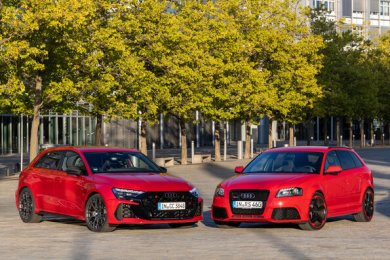
Gran Turismo 7 gives players several points of entry into the R8 family.The 2007 R8 4.2 introduces the original road-car shape, while the 2016 V10 plus offers a later interpretation. Moving into the LMS models then changes the context, placing the Audi among purpose-built competition cars.
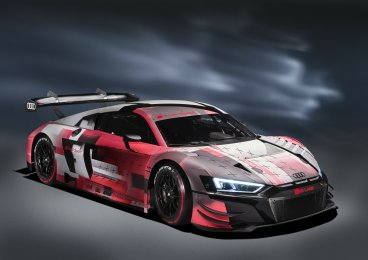
The game’s description of the 2019 R8 LMS Evo identifies improvements to cooling and aerodynamics, alongside drivetrain changes intended to improve reliability. It also records a 25kg weight reduction compared with the preceding LMS specification.
Those are more useful details than treating an evolution model as a new paint scheme. Real racing development often concerns making a car more dependable or improving how its performance can be used, rather than adding engine power.
Players should still distinguish a car’s standard specification from the conditions of an individual event. Tyres, tuning restrictions and performance-balancing rules can change the comparison. A faster lap in one race does not automatically prove that a particular R8 is superior in every setting.
Competizione gives the LMS a more focused role
Assetto Corsa Competizione includes the 2015 R8 LMS and the 2019 Evo, while the 2022 Evo II is available through the Challengers Pack.That creates an opportunity to explore the development of the GT3 car within one game. It also removes much of the road-car context, putting greater emphasis on racing systems and preparation.
Audi identified five areas of development for the real Evo II: aerodynamics, engine characteristics, interior climate control, chassis and traction control. Its stated aim included making the car easier for customer teams and amateur drivers to use.
That is an important part of the R8’s racing identity. A car that remains predictable over a stint can be valuable even when another model produces a more impressive single lap.
In the simulator, the interesting test is therefore consistency. Can the driver repeat a braking point, manage an imperfect corner and remain comfortable as conditions change? Those questions reveal more than one unusually quick lap followed by several mistakes.
Braking is where the differences become obvious
A familiar circuit can make changing cars surprisingly awkward. The player remembers where to brake, but that reference belongs partly to the previous vehicle.Arriving at the same marker in a different R8 may mean carrying a different speed or asking more of the tyres. Braking too late can then compromise the corner exit, making the following straight slower as well.
A useful comparison begins with keeping the conditions similar. Use the same circuit, comparable weather and the appropriate tyres, then allow several laps to understand the car before judging it.
Pay attention to the whole corner. A later braking point is not necessarily progress if it produces a missed apex and a delayed return to the throttle.
The cleaner lap often feels less dramatic. Fewer corrections and a more controlled exit can save time without creating the impression that the car is being pushed harder.
A controller and a wheel reveal different information
The R8 can also feel different according to the equipment used.A controller places steering within a short range of thumb movement. A wheel provides more physical rotation and, with force feedback, can communicate some changes in load and grip through resistance.
Neither arrangement removes the need to learn the game’s responses. Steering sensitivity, assists and feedback settings can affect confidence, particularly when a player changes equipment.
Consistency in the setup helps make comparisons meaningful. Changing the car, steering settings and assists together makes it difficult to identify what caused an improvement.
Sound provides another reference. Engine note and tyre noise can help a player recognise familiar moments around a lap, although the information each game communicates will differ.
The badge becomes more interesting after a few laps
The appeal of a virtual R8 extends beyond selecting an Audi rather than another manufacturer. Its different versions offer a practical way to examine how a road car and a customer racer pursue different priorities.A player might prefer the road model’s movement through slower corners, or find the LMS more satisfying during a longer session. Another may enjoy learning how the Evo and Evo II differ within the same racing environment.
The comparison becomes worthwhile once the initial novelty passes. Keep the conditions steady, learn the car’s responses and look for improvements that can be repeated. The reward is a clearer understanding of which R8 suits the way you drive, rather than simply which one looks fastest on the selection screen.