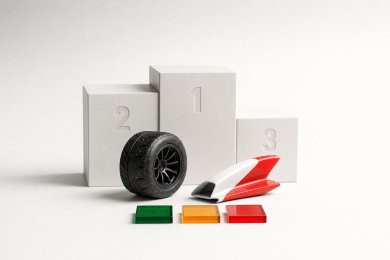

Anticipation surrounds Audi's debut in Formula 1, with much speculation about their chances of securing early podium finishes. Assessing a new manufacturer's prospects involves understanding market expectations and the reality of modern F1 competition. This article considers the factors shaping the odds and the realistic chances of achieving a podium in Audi’s first season.
When new teams enter Formula 1, attention quickly turns to how soon they might achieve results. Markets respond with “podium odds” that reflect how a team is rated for finishing in the top three. These figures provide early insight but are not guarantees. Like changes observed in darts odds, shifts in these numbers can signal altering sentiment, though they do not predict success, especially in a series as technically demanding as Formula 1.
Defining market odds and their quick moving nature
Odds in motorsport represent consolidated market views, taking many factors into account and expressing them through one figure. Early “podium odds” for a new entrant are based on a blend of speculation and expectation, rather than a judgement of the car’s engineering capabilities.
Odds are shaped as much by recent news as by hard performance data. Testing footage, technical updates, or driver announcements can move markets rapidly, sometimes before a car has competed. Regulatory changes or reliability concerns also shift odds, reflecting both optimism and caution.
Historical trends and early success benchmarks for entrants
Most new works teams have typically needed time to acclimatise before reaching the podium, with complex regulations posing a significant challenge. These precedents show that it is uncommon for a team to secure a top-three result in their inaugural modern campaign.
The prospects of an immediate breakthrough are limited by factors such as the learning curve, logistical setup, and adapting to new operational demands. Fans looking to set expectations can draw from recent examples in Formula 1’s history, which often emphasise steady progress over instant podiums.
While early rumours may bring optimism, available data tends to set more modest targets such as scoring points before aiming for podiums. Consistent midfield finishes are viewed as strong early achievements, while a podium might require favourable conditions or errors among established teams.
Factors likely to affect Audi’s podium probability in year one
Achieving early success depends on how well the chassis and power unit programmes are integrated. Any lack of readiness or alignment can create setbacks, particularly since current regulations limit avenues for fast development.
Reliability is a major challenge during a debut season, as new components may encounter teething problems that impact race outcomes. Operational aspects such as pit stops, race strategies, and adapting the car for different circuits add further complexity to Audi’s task.
Some industry experts caution that even small mistakes can disrupt progress in the first year. Market odds for Audi’s early podium reflect this uncertain environment, taking into account both possible strengths and difficulties faced by recent new entrants.
How competitive context influences realistic podium chances
The makeup of the midfield is crucial in considering Audi’s possible podium prospects. In today’s Formula 1, a few top teams generally dominate, but unusual races can create unexpected opportunities for others.
When reviewing the odds, scenario analysis becomes useful, considering how rare race conditions might allow a team like Audi to achieve an early podium. Wet races, safety cars, or high attrition can sometimes mix up the results and offer an outside chance for new teams.
Historically, the most successful newcomers have used these moments to their advantage, using strategy or risk-taking to make key gains. This context is essential for interpreting how odds move through the season and for understanding whether an early podium is realistically within reach.